We are often asked how Jewish tradition approaches this time of year when we remember those who have passed. In Jewish culture, honoring ancestors is not tied to a single calendar day in autumn—instead, memory is thoughtfully woven throughout the entire year through individual family anniversaries and holiday cycles. Across the historical Jewish communities of Bessarabia and Moldova, remembering those who came before us has always been quiet, personal, and continuous.
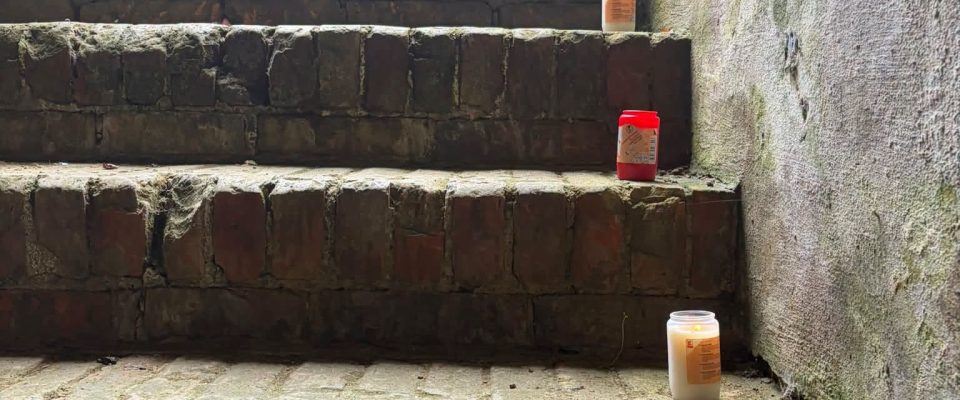
In Jewish thought, passing away is a natural and sacred part of the lifecycle, where the soul and memory of a person are treated with profound dignity and warmth. The most intimate moment of remembrance is the Yahrzeit—the annual anniversary of a loved one’s passing according to the Hebrew calendar. On that evening, families light a 24-hour memorial candle at home to symbolize the enduring soul, and the Mourner’s Kaddish is recited at synagogue—a prayer that praises life and peace. Four times a year, during major holidays such as Yom Kippur and Passover, synagogues hold communal Yizkor services where the entire community pauses together to honor ancestors and victims of historical tragedies.
If you walk through the historic Jewish cemeteries of Chișinău, Orhei, or Bălți during this season, you will not see lit candles or cut flowers on the graves. Instead, you will notice small stones resting atop the headstones. Flowers wither within days, but a simple stone endures forever, leaving a lasting sign that someone came by to honor that memory. Above all, Jewish tradition teaches that the highest way to elevate the soul of a departed loved one is through good deeds in this world—charity (Tzedakah), helping others, and performing acts of kindness in their honor.
For the Jewish community, memory remains an ongoing flame—kindled not by specific calendar dates, but by love, respect, and meaningful actions that keep the values of our ancestors alive every single day.