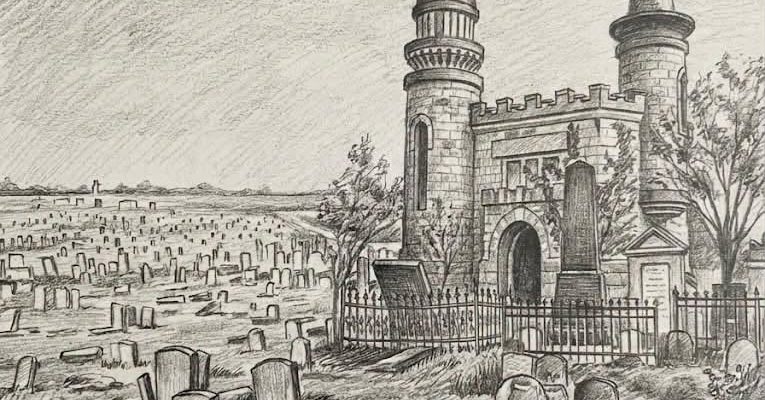
As the Jewish community prepares for Yom Kippur, the holiest day on the Jewish calendar, we often receive questions regarding holiday customs, memory, and visiting sacred grounds. In Jewish history and tradition, memory plays a central role, but how and when we remember shifts during this sacred period.
During the Days of Awe leading up to the holiday, it is a customary practice (Kever Avot) to visit the graves of family members and righteous ancestors to reflect on life and legacy. Visiting cemeteries on the eve before the fast is a deeply rooted tradition. However, once Yom Kippur begins, the focus shifts entirely to prayer, repentance, and spiritual renewal. According to Jewish law and tradition, visiting cemeteries on Yom Kippur itself is strongly discouraged and traditionally avoided. On this holy day, we step away from mourning practices to dedicate ourselves fully to life, fasting, and community. Instead of visiting gravesites on the day of Yom Kippur, memory is honored directly in the synagogue during the Yizkor memorial service.
If you plan to visit historical Jewish cemeteries or memorial grounds in our city as part of your holiday preparation, we recommend completing your visits before the start of the holiday. We wish our entire community a meaningful fast and Gmar Chatimah Tovah—may you be sealed in the Book of Life for a good and peaceful year.